Experience Japanese Tradition.
Perform It as a Team.
From Watching Kagura
to Creating It Together
Kagura is one of Japan's traditional performing arts, passed down through local communities alongside festivals, nature and everyday life.
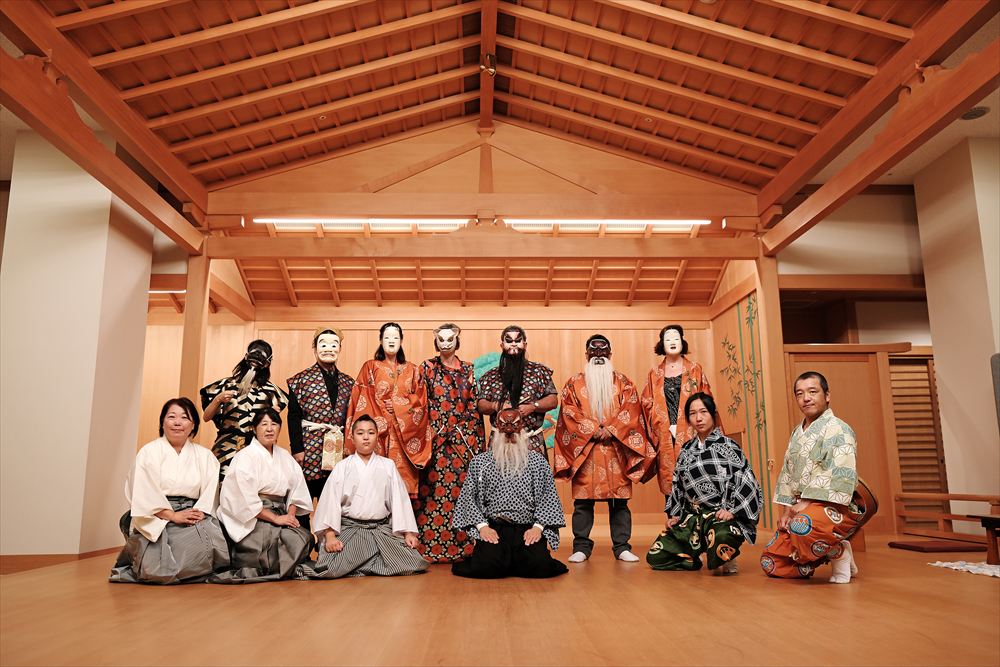
In this program, participants do more than watch professional Kagura performers. They learn the basic movements, experience different roles, work together in teams, and finally present their own short performance.
The experience combines cultural discovery with communication, collaboration and a shared sense of achievement — making it particularly suitable for international MICE and corporate groups.
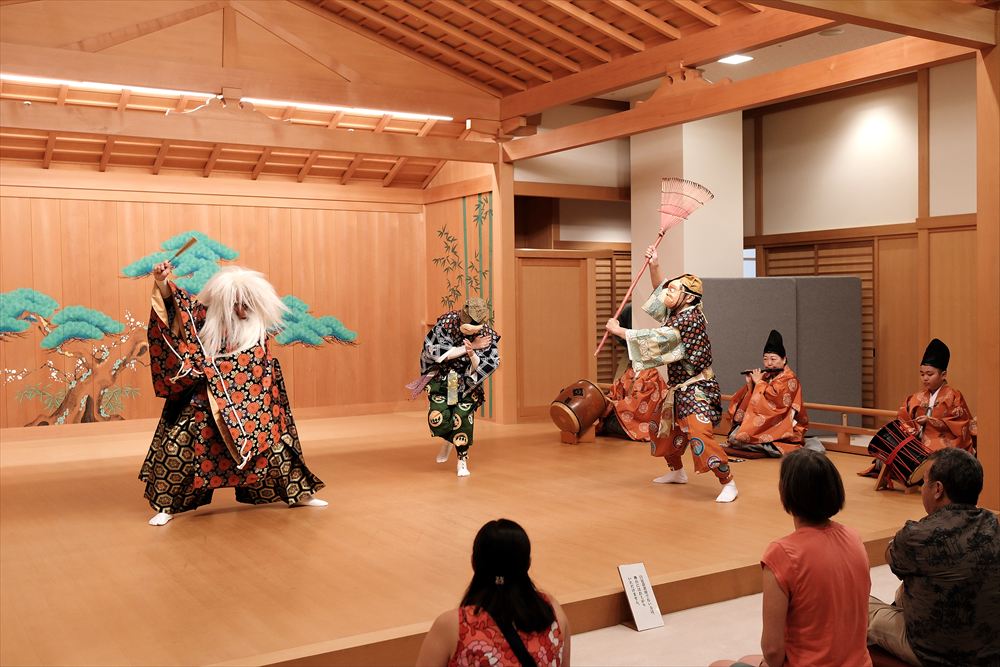
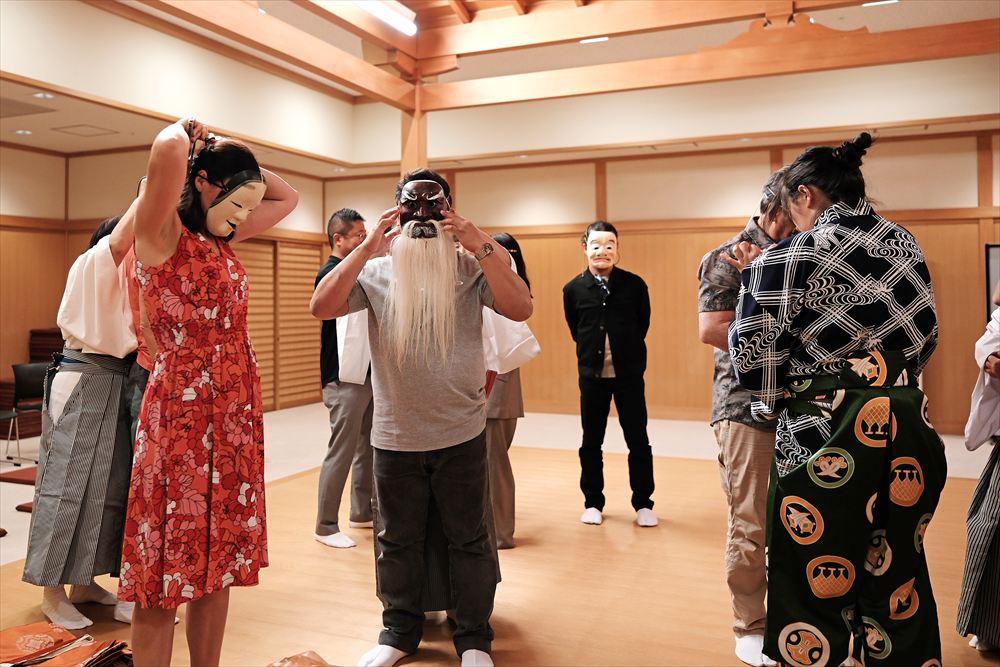
Know. Watch. Learn. Collaborate. Perform.
The experience begins with cultural understanding and leads participants step by step toward creating and performing something together as a team.
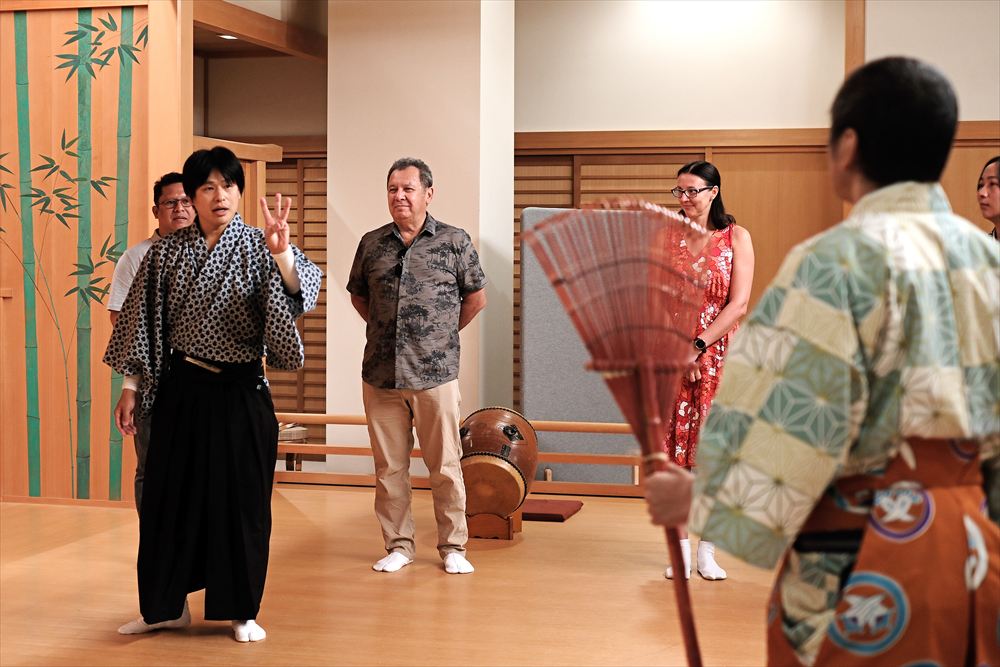
KNOW
Discover the cultural background of Kagura and its connection with local life, nature and tradition.
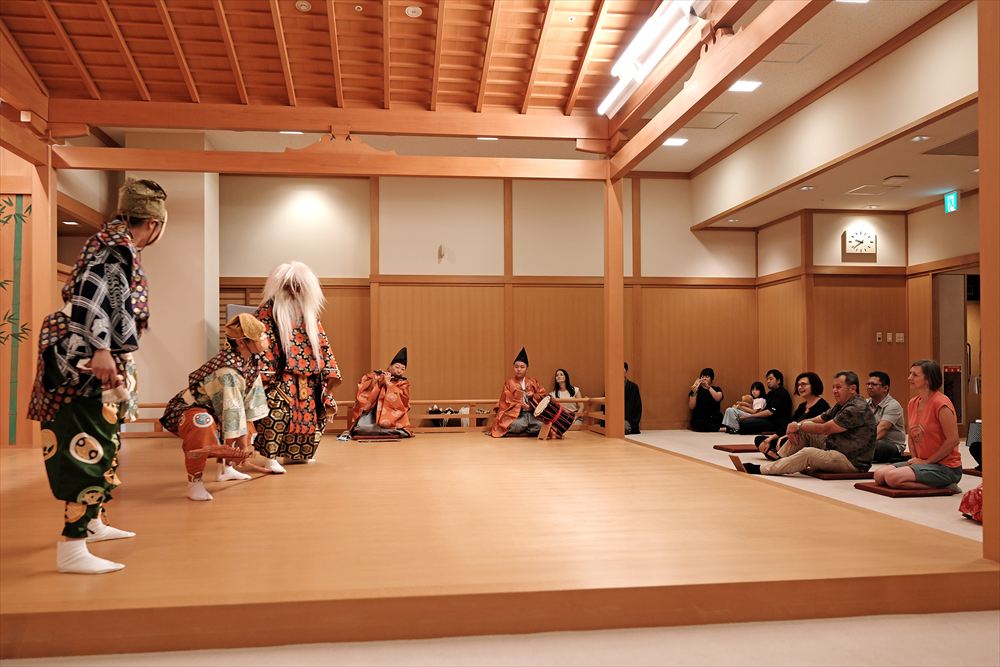
WATCH
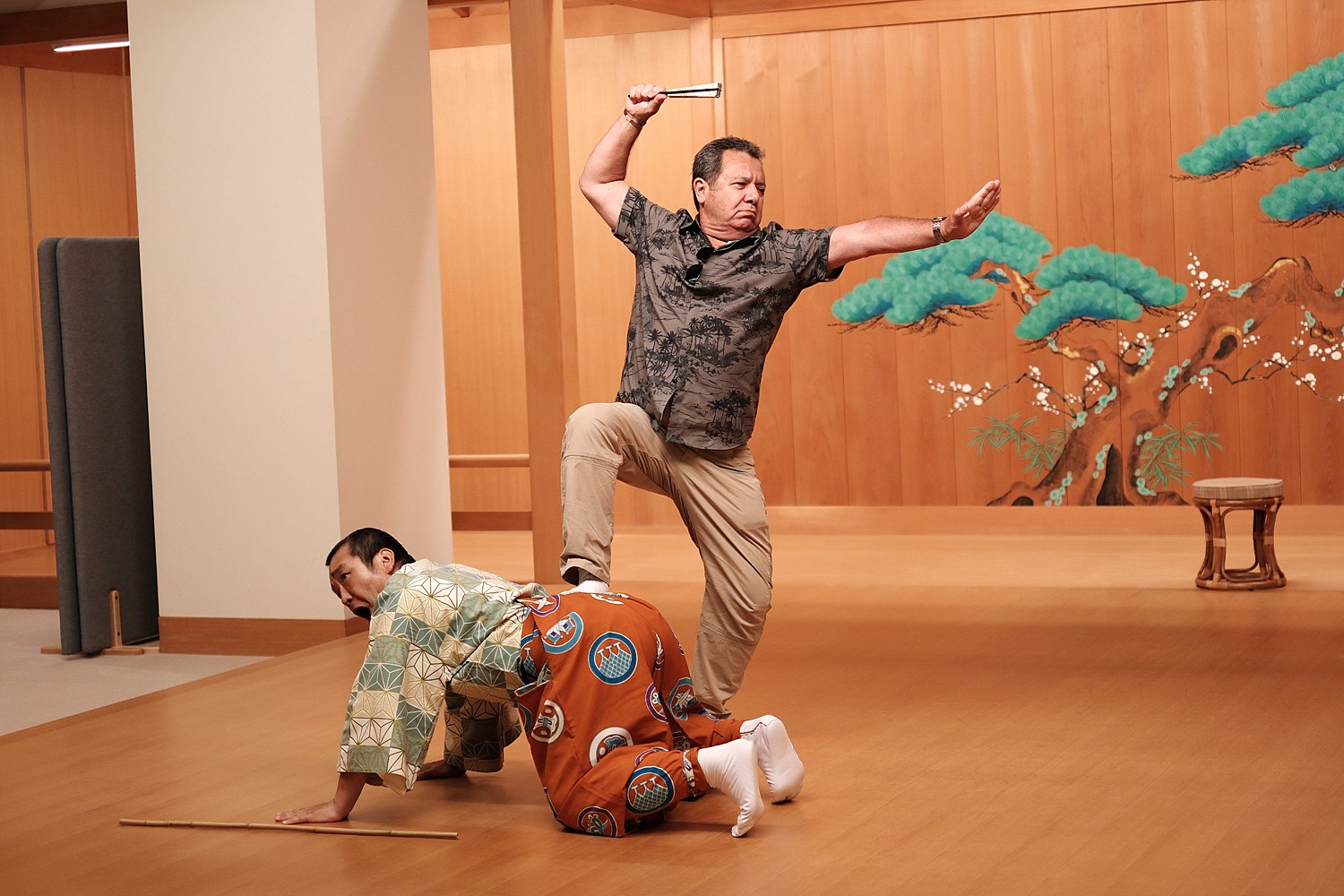
See professional performers demonstrate the dynamic interaction between the Tengu and Modoki roles.
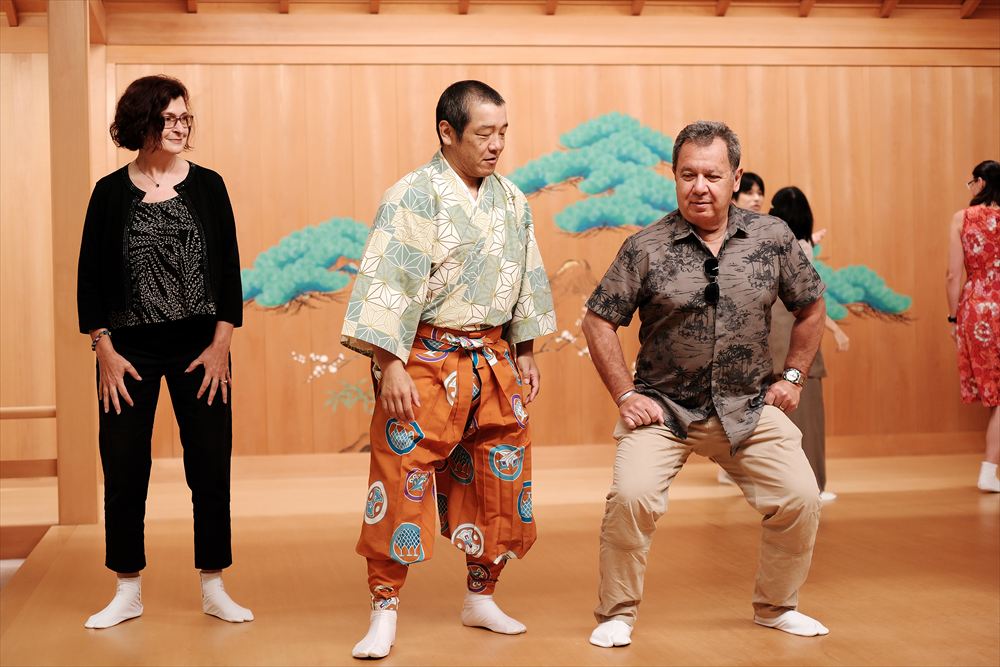
LEARN
Learn the basic movements and experience both roles under the guidance of Kagura performers.
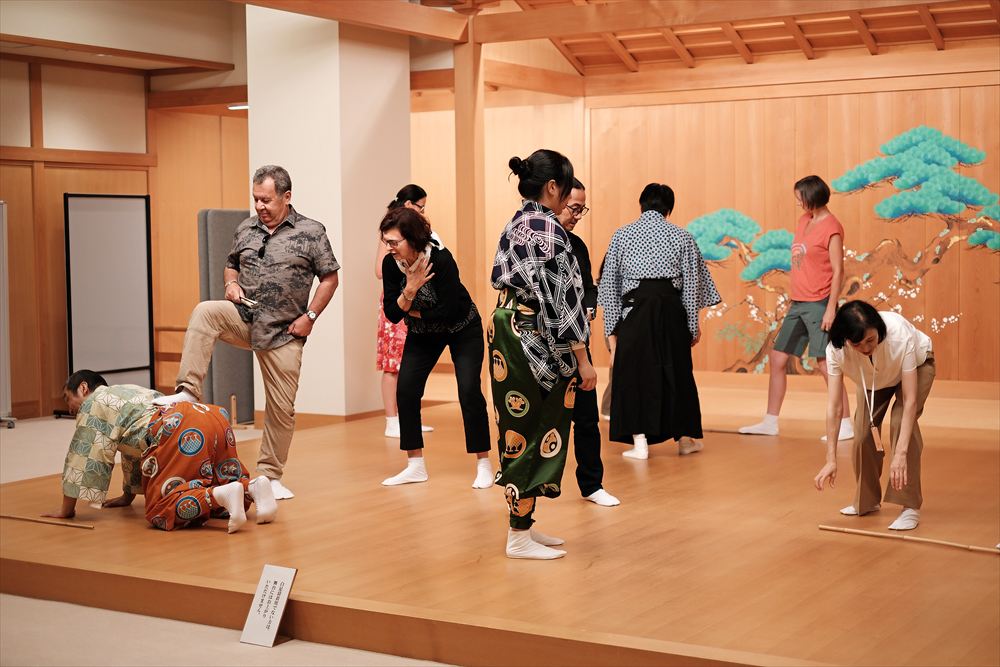
COLLABORATE
Decide roles and work together on distance, timing, movement and sequence.
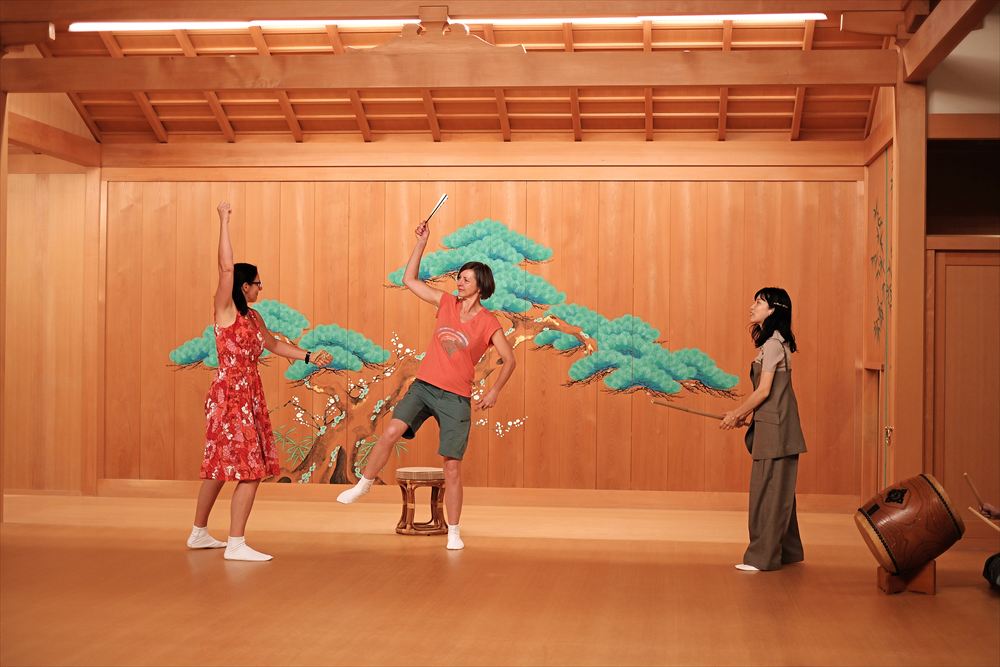
PERFORM
Present the team's performance and share a memorable sense of achievement.
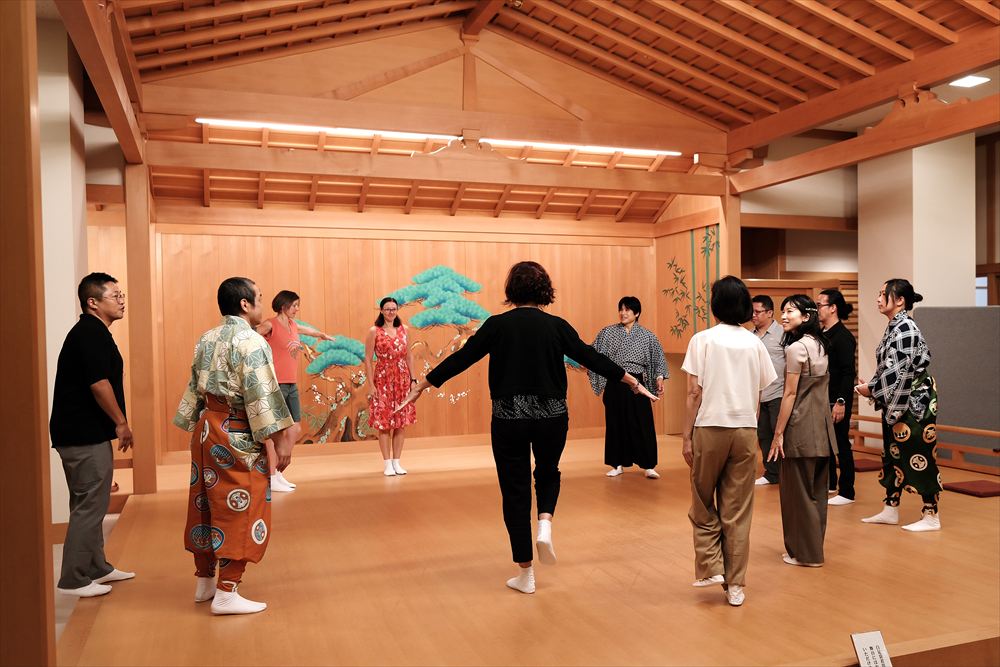
Cultural Immersion That Naturally Creates Collaboration
CHANGE ROLES
Experience both the Tengu and Modoki roles.
OBSERVE
Watch professional performers and other teams.
COMMUNICATE
Discuss timing, distance, sequence and movement.
CREATE TOGETHER
Build one performance as a team.
From Cultural Introduction to Team Performance in About 90 Minutes
| STEP | ACTIVITY | TIME | TEAM-BUILDING ELEMENT |
|---|---|---|---|
| 01 | Introduction to Kagura and its connection with Yokohama | 3–5 min. | Build shared understanding |
| 02 | Introduction to the Tengu role and cultural background | Approx. 3 min. | Understand the story and roles |
| 03 | Professional Tengu and Modoki demonstration | Approx. 10 min. | Observe movement, distance and timing |
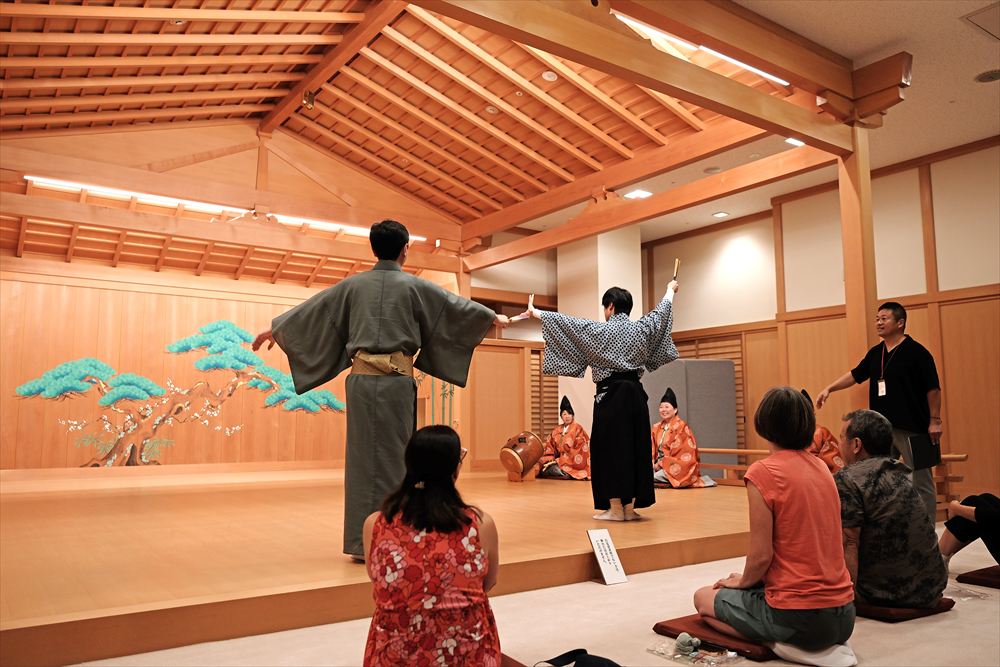
| 04 | Whole-group practice and basic movements | Approx. 20 min. | Experience both roles |
| 05 | Team practice | 25–35 min. | Roles, collaboration and coordination |
| 06 | Team performances and reflection | 15–20 min. | Share outcomes and achievement |
Tested with International MICE Participants
A pilot program was conducted at Yokohama Noh Theater on September 3, 2026 for participants of WCES 2026. All six participants completed the post-program survey.
Based on survey responses from all six participants in the September 3, 2026 pilot program.

What Participants Said
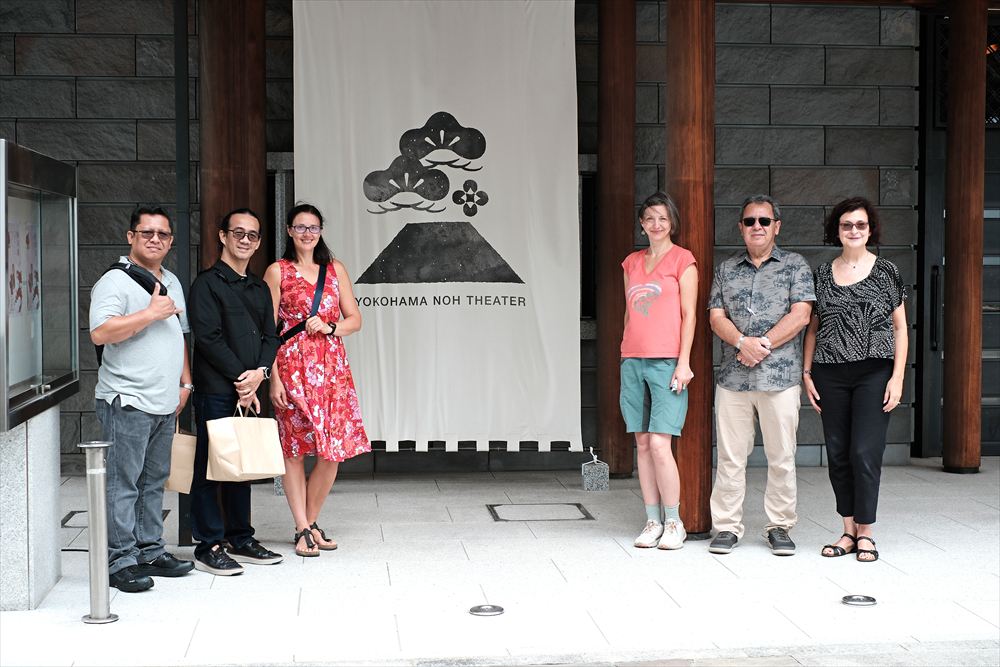
A Special Experience at Yokohama Noh Theater
Performing on an authentic traditional stage adds a strong sense of place, cultural depth and occasion to the experience. Yokohama Noh Theater is our flagship venue for this program.
The Program Can Also Come to Your Venue
For MICE groups with limited travel time, the program can also be adapted for hotel ballrooms, meeting venues and corporate event spaces.
Connecting MICE with Living Local Culture
Sustainability in this program goes beyond environmental impact. It also includes cultural continuity, opportunities for local performers, use of existing cultural venues and deeper understanding between visitors and the local community.
CULTURAL CONTINUITY
Traditional Kagura is reimagined as a participatory experience for international MICE groups.
SUPPORT FOR PERFORMERS
Local performers are placed at the heart of the program, creating new opportunities for their art.
USE OF EXISTING VENUES
Cultural and MICE venues are used without relying on large-scale temporary infrastructure.
CULTURAL UNDERSTANDING
Participation and interaction create deeper understanding than passive observation alone.
At a Glance
- DURATION
-
Approx. 90 minutes as standard.
Approx. 2 hours when venue tour and movement are included. - GROUP SIZE
-
Approx. 20 participants as standard at Yokohama Noh Theater.
Up to approximately 50 may be possible depending on conditions. - VENUE
-
Flagship venue: Yokohama Noh Theater.
Hotel ballrooms, MICE venues and corporate spaces are also possible. - LANGUAGE
- English support available.
- FORMAT
- Private group program / Tailor-made format.
- PROGRAM ELEMENTS
- Professional performance, cultural introduction, movement instruction, team practice, presentation and group photography.
- PRICING
- Quoted individually according to group size, venue, performer requirements, English support and operational needs.
Ideal for International Groups
& ASSOCIATION EVENTS
BEFORE OR AFTER RECEPTIONS
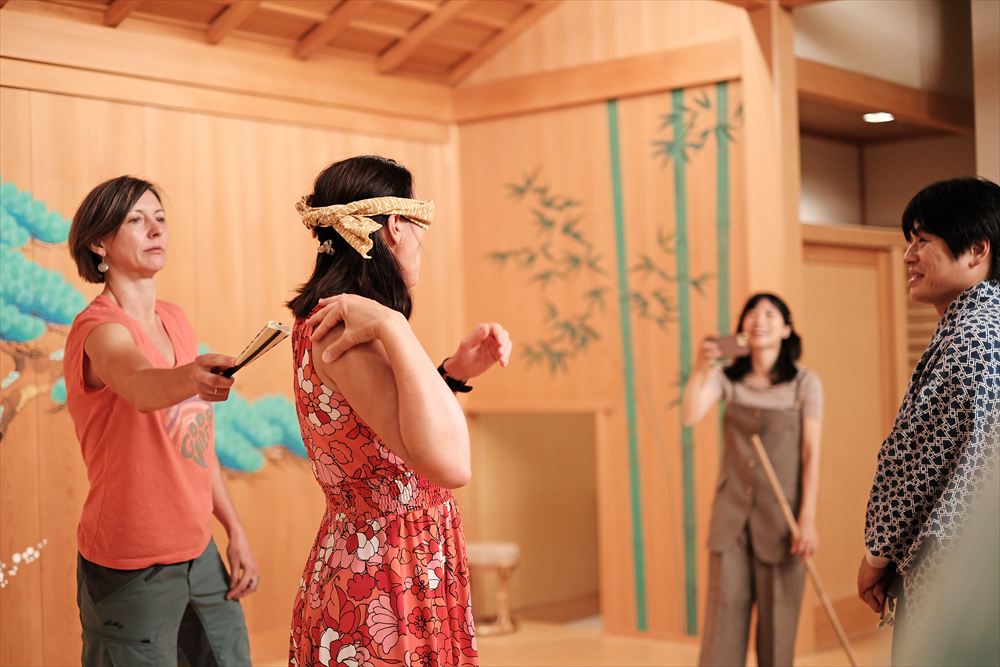
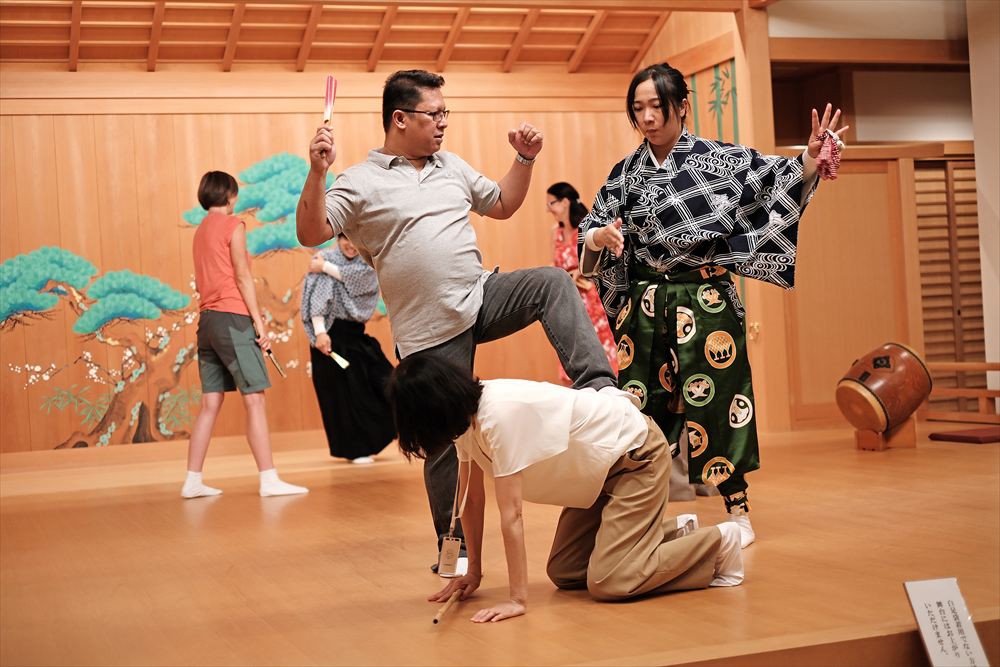
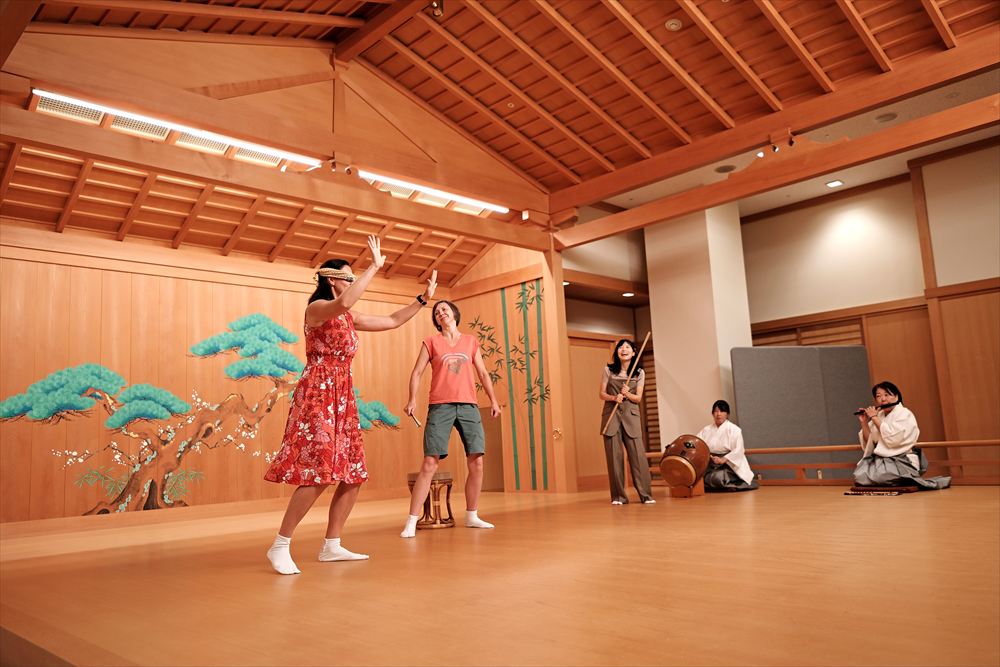
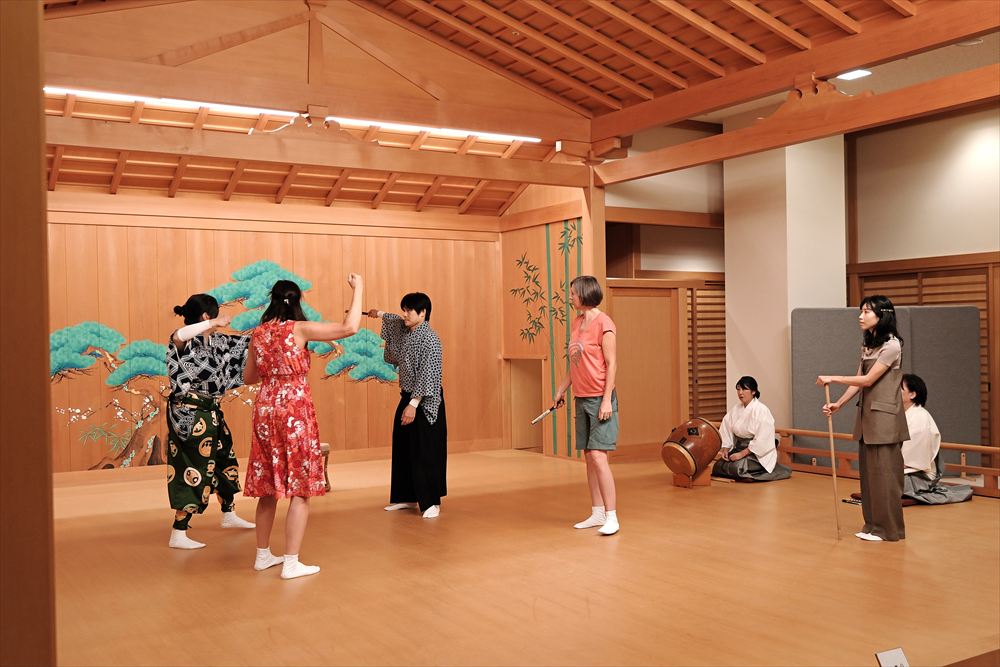
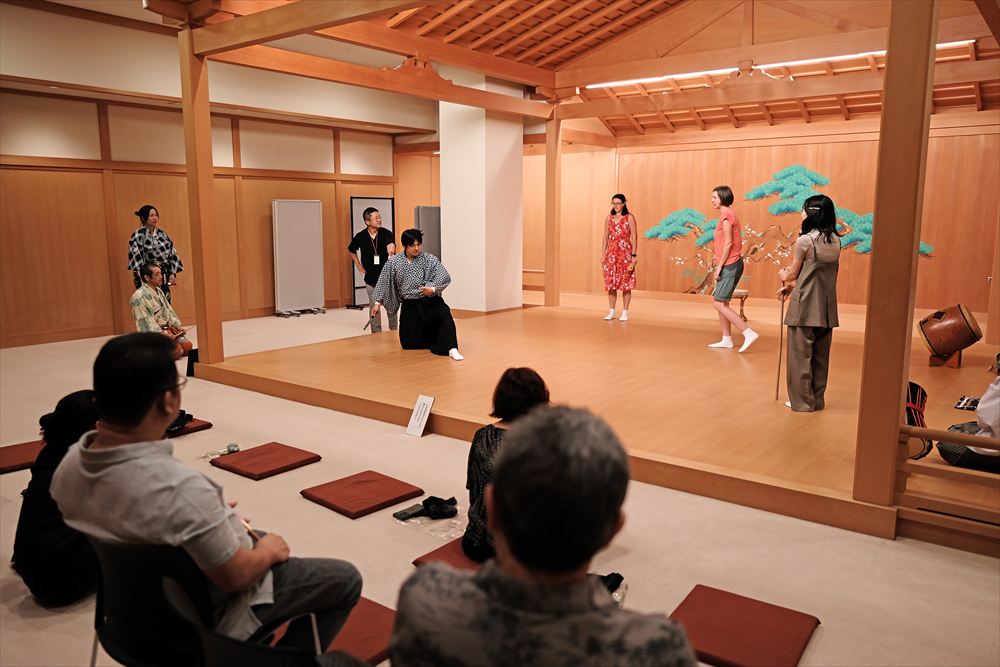
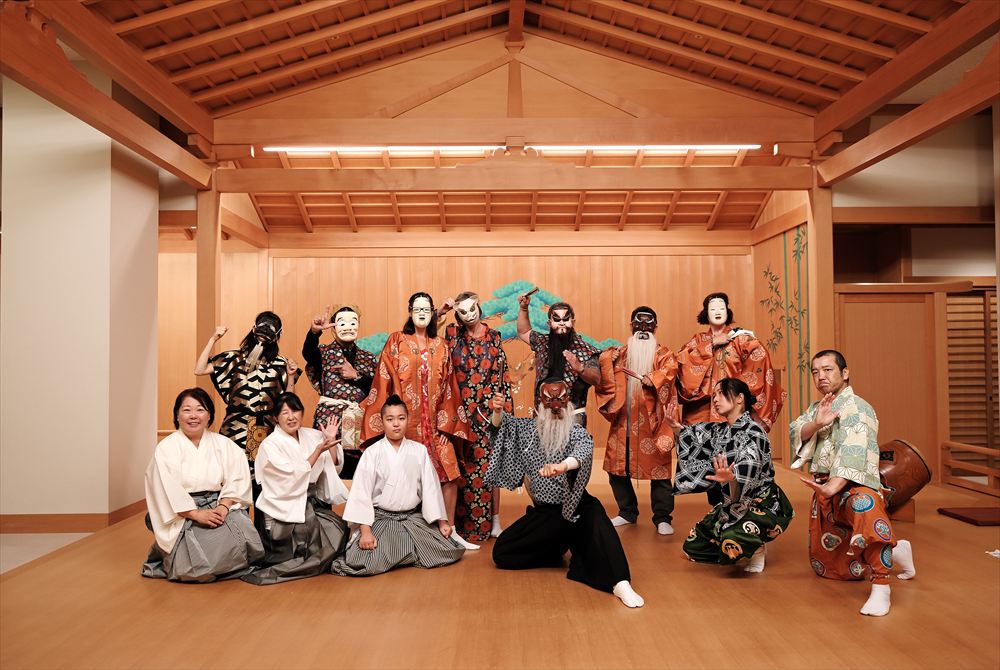
Inside the Kagura Team-Building Experience
From watching professional performers to practising, collaborating and presenting on stage.
Turn Japanese Culture into
a Shared Team Experience.
We tailor the program to your group size, venue,
objectives and available time.
Talk to us about international conferences, incentive travel,
corporate training and team-building programs in Yokohama.